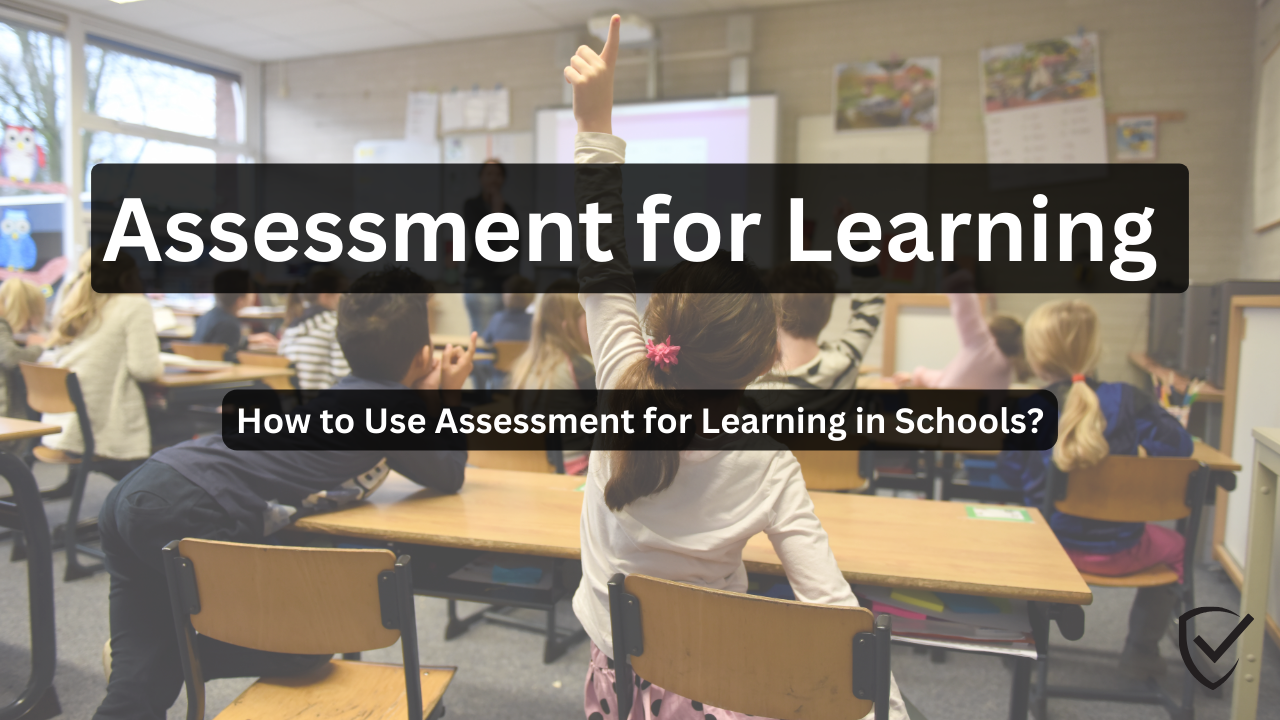
Self-confidence in childhood shapes learning, behaviour, and the choices young people make as they grow. Schools and parents can create daily opportunities that help children test themselves, recover from setbacks, and build an accurate understanding of their strengths. This guide outlines practical, evidence-informed methods for teachers, leaders, and families—aligned with UK safeguarding expectations—to help children develop self-confidence through routine teaching, structured feedback, and safe, supported challenge.
Why childhood self-confidence matters
Confident children are more likely to attempt new tasks, ask for help when needed, collaborate effectively, and manage stress. In school settings, confidence influences academic attainment, classroom behaviour, and long-term engagement with learning. From a safeguarding perspective, children who can express concerns and communicate needs are easier to support—an approach reinforced in statutory guidance such as Keeping Children Safe in Education.
Confidence is not an innate trait; it develops through repeated supportive experiences—achievable challenges, accurate feedback, and trusted adults who scaffold risk. Educational programmes that combine explicit skills teaching, opportunities for responsibility, and safe social interactions reinforce these experiences consistently.
How education can build a child’s self-confidence
To build self-confidence effectively, confidence-building should be woven into routine teaching rather than treated as an optional extra. This involves setting achievable goals, teaching metacognitive and social skills, and establishing predictable environments where small successes accumulate over time.
Use achievable, progressively challenging tasks
Break tasks into small steps so children experience early success. Sequence lessons so each activity builds on prior learning and introduces one slightly more challenging element. Use short-term learning checklists so pupils and parents can see visible progress.
Explicitly teach learning skills and strategies
Confidence increases when children understand how to approach tasks. Teach planning, memory techniques, self-questioning, and simple emotional regulation strategies (e.g., breathing or counting). Integrate short skills sessions into the timetable and model their use throughout lessons.
Provide accurate, constructive feedback
Feedback should be specific, focused on effort or strategy, and include a clear next step. Replace general praise (“You’re clever”) with actionable comments (“Your opening sentence clearly states the purpose — now add an example to support it”). This helps children understand what is working well.
Foster a culture of safe risk-taking
Create classroom routines where mistakes are treated as information, not failure. Normalise statements such as “I tried, and I learned” and share real examples of perseverance. Paired or group problem-solving can also reduce the fear of failing alone.
Recognise different learning needs
Children build confidence in different ways. Use diagnostic information to personalise support—visual learners may benefit from models and examples, kinaesthetic learners from hands-on practice, and some pupils from additional language or memory scaffolds. For practical differentiation ideas.
Practical classroom strategies
Begin lessons with clear structure and success criteria
Structured openings reduce anxiety and give pupils a predictable pathway to success. Display concise success criteria and ask pupils to choose one to focus on. Keep criteria specific and observable—for example, “I can write two supporting sentences.”
Use formative assessment to build confidence
Low-stakes checks (mini-whiteboards, exit tickets, short quizzes) help teachers identify misconceptions early and celebrate partial success. Pair these with immediate, targeted feedback so pupils leave the lesson feeling capable of the next step.
Teach a growth mindset through language and tasks
Emphasise effort, strategy, and progress rather than fixed ability. Frame tasks as skills to learn, not limits to expose. Use examples of incremental improvement and stories that highlight persistence and resilience.
Give meaningful responsibilities
Leadership roles—such as peer tutor, equipment monitor, or club organiser—give pupils a sense of purpose and competence. Rotate roles so every pupil experiences responsibility and can reflect on their contribution.
Plan cooperative learning opportunities
Small-group work builds social confidence and helps pupils engage with different perspectives. Structure groups with clear roles and short, achievable tasks to ensure everyone participates and experiences success.
Support neurodiversity and ADHD
Children with ADHD or other neurodiverse profiles may require different pathways to confidence. Provide clear routines, short tasks, frequent breaks, and visual schedules. Adjust instructions or reward systems where appropriate.
Home-based strategies that reinforce school practice
Establish routines that encourage autonomy
Daily responsibilities—packing school bags, organising homework time, preparing clothes—help children build practical competence. Predictable routines reduce cognitive load and free mental energy for learning.
Use realistic, consistent praise
Praise effort, strategy, and persistence rather than general traits. For example: “You tried different ways to solve that problem — that persistence helped.” This encourages internal motivation and helps children repeat positive behaviours.
Encourage age-appropriate independence
Parents should gradually step back from tasks children can manage. Increasing independence builds self-efficacy, decision-making skills, and resilience.
Teach financial responsibility early
Budgeting pocket money, saving for small goals, and planning purchases help children develop competence, delayed gratification, and responsible decision-making. Schools and families can link these activities to wider personal finance learning.
Model calm problem-solving
Children observe and internalise adult responses. Demonstrate calm problem-solving by saying, “I’ll try this approach first, and if it doesn’t work, I’ll try another.” This models adaptive thinking and emotional regulation.
Monitoring progress and safeguarding considerations
Regular monitoring helps identify pupils who are not gaining confidence despite support. Use teacher observations, self-assessments, and parent feedback for a complete picture. Record interventions and outcomes to track patterns over time.
When to refer
If a child shows persistent low mood, anxiety, withdrawal, or behaviour that affects learning, follow your school’s safeguarding procedures. Early discussions with parents, the Designated Safeguarding Lead, or referrals to CAMHS or primary care may be appropriate. The NHS provides guidance on children’s mental health and available services.
Risk assessments for confidence-building activities
Activities that challenge pupils physically or socially should have proportionate risk assessments. For school trips or practical tasks, follow HSE guidance and local procedures to ensure appropriate supervision and parental consent.
Psychological safety is as important as physical safety. Children must feel able to express confusion or fear without punitive responses—an expectation reinforced by Keeping Children Safe in Education.
Training, policy, and curriculum alignment
Staff development priorities
Provide regular CPD focusing on constructive feedback, differentiated instruction, behaviour management, and mental health awareness. Include training on recognising vulnerability signs and supporting diverse learning needs.
Embed confidence-building in curriculum and policy
Ensure confidence-building is intentional. Map opportunities for leadership, resilience, and self-regulation across PSHE, assemblies, and subject teaching. Policies on marking, reporting, and parent engagement should reinforce visible progress, not just attainment.
Involve governors and families
Governors should ensure school improvement plans include well-being and social development. Workshops for parents, shared routines, and consistent communication strengthen the partnership between home and school.
Examples of short, replicable activities
- Two-minute reflection: Pupils write one thing they did well and one next step.
- Success tree: Pupils add leaves highlighting academic or personal achievements.
- Role rotation: Weekly leadership roles for every pupil.
- Mini mentoring: Older pupils support younger ones in brief, structured sessions.
- Try-and-Reflect tasks: A challenging problem, followed by reflection and retry.
Measuring effectiveness
Use mixed methods to track confidence-building outcomes:
- Quantitative: voluntary class participation, independent task completion, attendance, behaviour trends.
- Qualitative: pupil self-reports, parent surveys, teacher reflections.
- Outcome-focused: links between confidence interventions, attainment, and safeguarding referrals.
Short, repeatable tools—such as termly confidence checklists or pupil interviews—keep monitoring manageable and meaningful.
Conclusion
Building self-confidence is a sustained, intentional process that requires daily practice at school and home. By breaking tasks into achievable steps, teaching strategies explicitly, offering accurate feedback, and creating safe opportunities to try, fail, and recover, educators and families can help children develop strong, lasting confidence that supports learning, well-being, and resilience.
Frequently Asked Questions (FAQs)

How early should confidence-building start?
Begin in early years with simple routines and praise for effort; these foundations matter most and scale up through primary and secondary education.
What’s better: praise or critique?
Use specific, effort-focused feedback rather than generic praise. Tell children what they did and suggest a clear next step.
How can teachers support shy pupils in class?
Use small-group tasks, clear roles, and low-stakes participation (write before speaking). Gradual exposure and predictable routines help shy pupils engage.
When should I seek external help for a child’s low confidence?
Refer to your DSL and involve parents if low confidence persists with withdrawal, mood change or school avoidance. Consider NHS or CAMHS routes when concerns affect daily functioning.
Can parents and teachers use the same strategies?
Consistency helps. Coordinate simple approaches—routine, praise style, and small responsibilities—so children experience predictable messages at home and school.