
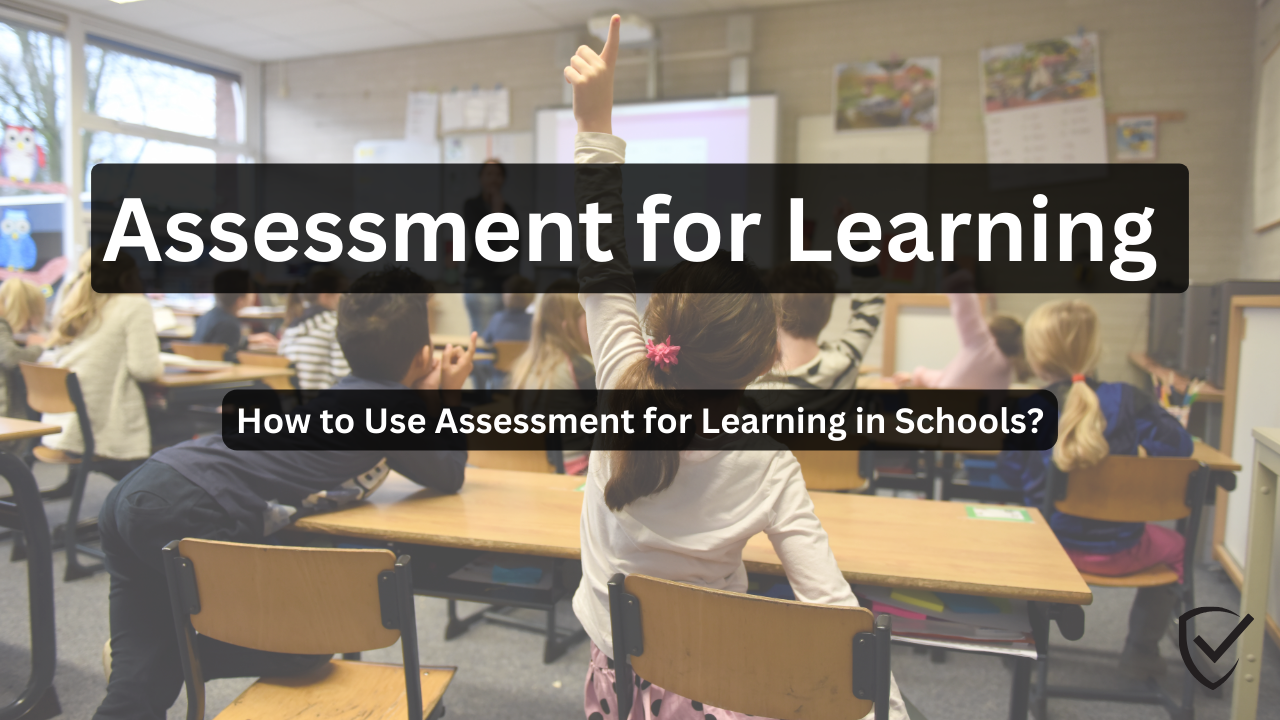
In today’s educational landscape, Assessment for Learning (AFL) has emerged as a crucial tool for educators to gauge student progress, identify learning gaps, and tailor instruction to meet individual needs effectively. In this comprehensive guide, we’ll delve into what AFL entails, its various types, the pivotal role of teachers, and practical strategies for implementing AFL in the classroom.
What is Assessment for Learning?
Assessment for Learning, often abbreviated as AFL, is an approach to assessment designed to promote ongoing student learning rather than simply measure performance. Unlike traditional assessments that occur at the end of a learning period, AFL involves continuous assessment throughout the learning process. Its primary focus is to provide timely feedback to both teachers and students, enabling them to monitor progress, set learning goals, and adjust instructional strategies accordingly.
The Benefits of AFL
Before diving into the intricacies of AFL, let’s explore some of its key benefits:
- Enhanced Student Engagement: By actively involving students in the assessment process, AFL encourages them to take ownership of their learning journey, fostering a sense of responsibility and motivation.
- Individualized Instruction: AFL enables teachers to identify specific learning needs and adapt instruction to cater to diverse student abilities, ensuring that no student is left behind.
- Improved Learning Outcomes: With timely feedback and targeted interventions, AFL facilitates continuous improvement and academic growth among students.
- Foster a Growth Mindset: By emphasizing the process of learning rather than focusing solely on outcomes, AFL promotes a growth mindset among students, encouraging them to embrace challenges and persevere through setbacks.
What are the Different Types of Assessment for Learning?

AFL encompasses a variety of assessment strategies aimed at informing instruction and supporting student learning. Some common types of AFL include:
- Formative Assessments: These assessments are conducted during the learning process to provide immediate feedback on student understanding and guide instructional decisions. Examples include quizzes, exit tickets, and classroom discussions.
- Diagnostic Assessments: Diagnostic assessments are administered at the outset of a unit or lesson to identify prior knowledge and learning gaps, allowing teachers to tailor instruction accordingly.
- Peer and Self-Assessment: Involving students in assessing their own work or evaluating their peers’ performance promotes metacognitive awareness and collaborative learning.
- Observations and Checklists: Teachers can gather valuable insights through observational assessments and checklists, which provide a holistic view of student progress and behavior in various contexts.
Why is the Role of the Teacher Important in AFL?
Central to the success of AFL is the pivotal role of the teacher in facilitating learning and providing effective feedback. Here’s why teachers play a crucial role in AFL:
- Guiding Instruction: Teachers use assessment data to inform instructional decisions, such as selecting appropriate teaching strategies and differentiating instruction to meet diverse student needs.
- Providing Feedback: Timely and constructive feedback from teachers helps students understand their strengths and areas for improvement, empowering them to take ownership of their learning.
- Creating a Supportive Environment: Teachers establish a safe and supportive classroom culture where students feel comfortable taking risks, asking questions, and seeking clarification.
How to Use Assessment for Learning Strategies in the Classroom?
Now that we’ve explored the principles of AFL and the teacher’s role, let’s delve into practical strategies for implementing AFL in the classroom:
1. Round the Room Questioning
Round the Room Questioning is a dynamic strategy that encourages active participation and engagement among all students. Here’s how it works:
- Procedure: The teacher poses a question to the class, and each student takes turns responding. The process continues until every student has contributed or passed.
- Benefits: This strategy promotes equitable participation and allows teachers to assess individual understanding while encouraging peer learning.
2. Whole-Class Questioning
Whole-class questioning is an effective way to gauge overall comprehension and spark meaningful discussions. Here’s how to implement it:
- Ask Open-Ended Questions: Encourage critical thinking and discussion by posing open-ended questions that require higher-order thinking skills.
- Encourage Student Dialogue: Foster a collaborative learning environment where students can build upon each other’s ideas and offer diverse perspectives.
- Provide Feedback: Offer constructive feedback on student responses to deepen understanding and address misconceptions.
3. Peer and Self-Assessment
Peer and Self-Assessment empower students to reflect on their own learning and provide feedback to their peers. Here’s how to integrate it into your classroom practice:
- Establish Clear Criteria: Provide students with clear criteria or rubrics to guide their self-assessment and peer evaluation.
- Promote Peer Feedback: Encourage students to provide specific, actionable feedback to their peers, focusing on strengths and areas for improvement.
- Reflective Practice: Incorporate regular opportunities for students to reflect on their learning journey, set goals, and track their progress over time.
Incorporating these AFL strategies into your teaching practice can completely transform the learning experience for both you and your students, fostering a collaborative and supportive classroom environment where every student can thrive.
Conclusion
Assessment for Learning (AFL) signifies a significant shift in education, highlighting continuous improvement and student-centered learning. Through the utilization of AFL strategies such as formative assessments, peer evaluation, and timely feedback, educators can empower students to take ownership of their learning journey and achieve academic success. As you embark on your AFL journey, always remember that every assessment presents an opportunity for growth and reflection, for both you and your students.
Frequently Asked Questions (FAQ)

What exactly is “Assessment for Learning” (AFL)?
AFL is a continuous process where teachers use ongoing assessments and feedback to guide student progress—not just end-of-term tests.
Why is peer and self-assessment important in the classroom?
Because when students assess themselves and each other, they become more aware of their learning gaps and take ownership for improvement.
How can teachers effectively use questioning to support AFL?
By adopting strategies like “round-the-room” or whole-class questioning, teachers check understanding in real time and adapt instruction accordingly.
What role does feedback play in making AFL work?
Timely, specific feedback helps students understand what they know, what they need to learn next, and how to get there — which drives learning forward.
How should schools support a culture of assessment for learning?
Schools should create a climate of continuous improvement: build teacher competencies, integrate AFL into routines, and use data to inform teaching and learning.


