Workplace safety is more than just a regulatory obligation; it’s fundamental to fostering a healthy and productive work environment. In this comprehensive guide, we will delve into the nuances of workplace hazards, their definitions, and why understanding and addressing them are crucial for the well-being of employees and the success of businesses.
What is Workplace Hazards?
Workplace hazards encompass a wide array of risks that can jeopardize the safety and health of employees. These hazards can manifest in various forms, from physical dangers to psychological stressors, posing challenges that demand vigilant attention and proactive management.
Importance of Understanding and Addressing Workplace Hazards
Beyond regulatory compliance, the significance of identifying and addressing workplace hazards cannot be overstated. A safe workplace not only protects employees from harm but also enhances morale, engagement, and overall productivity. Investing in safety is an investment in the longevity and success of any organization.
Overview of the Most Common Workplace Hazards
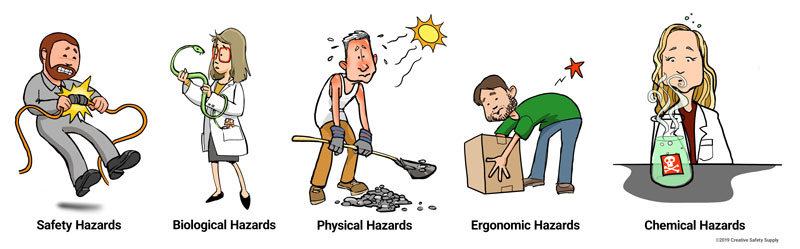
Before delving into specific categories, let’s take a bird’s-eye view of the most prevalent workplace hazards. These include physical, chemical, biological, ergonomic, and psychosocial hazards, each presenting unique challenges that necessitate tailored mitigation strategies.
Physical Hazards
Physical hazards pose tangible risks to employees and often result in immediate, visible consequences. Let’s explore these hazards and their potential impact on the workplace. Physical hazards involve factors within the environment that can harm the body. These include anything from unsafe machinery to slippery floors, all of which can lead to accidents and injuries.
Examples
- Slip, Trip, and Fall Hazards
Slippery surfaces, uneven floors, and loose cables are common culprits. Implementing non-slip mats, proper signage, and regular floor inspections can mitigate these risks. - Machinery and Equipment Hazards
Faulty machinery, lack of training, and inadequate maintenance can lead to accidents. Regular equipment checks, employee training programs, and safety signage are crucial preventive measures. - Noise Hazards
Prolonged exposure to loud noises can result in hearing loss. Ear protection, noise reduction measures, and regular health checks are essential for minimizing the impact of noise hazards. - Temperature Extremes
Extreme temperatures can lead to health issues. Adequate ventilation, climate control, and personal protective equipment (PPE) are vital in addressing temperature-related risks.
Chemical Hazards
Chemical hazards pose a unique set of challenges, requiring careful handling and adherence to safety protocols. These hazards involve exposure to substances that can cause harm, either immediately or over time. This category includes toxic substances, spills, improper storage, and inhalation risks.
Examples
- Exposure to Toxic Substances
Employees handling chemicals without proper protection face health risks. Providing personal protective equipment (PPE), regular training, and proper ventilation are essential preventive measures. - Hazardous Chemical Spills
Accidental spills can lead to immediate danger. Having spill response protocols, training, and well-equipped emergency response teams are critical in addressing chemical spills. - Improper Storage and Handling of Chemicals
Inadequate storage can result in chemical reactions or leaks. Proper labeling, storage guidelines, and employee training are key components of chemical hazard prevention. - Inhalation Hazards
Poorly ventilated areas can lead to respiratory issues. Ensuring proper ventilation systems, respiratory protection, and regular air quality assessments are necessary precautions.
Biological Hazards
Biological hazards involve exposure to living organisms that can compromise health and safety. Let’s explore the potential risks and preventative measures in this category. Biological hazards stem from exposure to bacteria, viruses, and other living organisms. They can be present in various forms, from infectious agents to poor hygiene practices.
Examples
- Exposure to Infectious Agents
Healthcare workers and those in close contact with the public may face the risk of infectious diseases. Proper protective equipment, vaccination programs, and stringent hygiene practices are vital in preventing exposure. - Vector-Borne Diseases
In certain environments, employees may be at risk of diseases transmitted by vectors. Implementing pest control measures, employee education, and providing protective clothing are crucial for preventing vector-borne diseases. - Improper Waste Disposal Leading to Biohazards
Inadequate waste disposal can lead to the spread of diseases. Proper waste management systems, training on disposal procedures, and regular sanitation practices are essential for preventing biohazards. - Poor Hygiene Practices
Encouraging good hygiene habits among employees is paramount. This includes regular handwashing, the provision of hygiene facilities, and awareness campaigns.
Ergonomic Hazards
Ergonomic hazards relate to the design and layout of workspaces, potentially causing long-term health issues. Let’s explore these hazards and strategies for prevention. Ergonomic hazards result from poorly designed workspaces and equipment, often leading to musculoskeletal problems and repetitive strain injuries.
Examples
- Poorly Designed Workstations
Improperly designed desks and chairs can contribute to back and neck pain. Investing in ergonomic furniture, providing adjustable workstations, and educating employees on proper posture is crucial in addressing this hazard. - Repetitive Motion Injuries
Tasks involving repetitive motions can lead to injuries over time. Implementing job rotation, providing ergonomic tools, and encouraging regular breaks can mitigate the risks of repetitive motion injuries. - Incorrect Lifting Techniques
Improper lifting can result in back injuries. Training programs on correct lifting techniques, providing lifting equipment, and promoting teamwork in heavy lifting tasks are essential preventive measures. - Inadequate Ergonomic Tools and Equipment
Using outdated or inappropriate tools can contribute to ergonomic hazards. Regular equipment assessments, providing the latest ergonomic tools, and incorporating employee feedback in tool selection are vital for preventing issues.
Psychosocial Hazards
Psychosocial hazards impact mental health and well-being in the workplace. Addressing these challenges requires a holistic approach that considers the emotional and social aspects of work. Psychosocial hazards involve the social and psychological aspects of work that can lead to stress, anxiety, and other mental health issues.
Examples
- Workplace Stress
High workloads, tight deadlines, and a lack of control can contribute to stress. Implementing stress management programs, promoting work-life balance, and fostering a supportive work environment are crucial in addressing workplace stress. - Bullying and Harassment
Negative social interactions can lead to a toxic work environment. Implementing anti-bullying policies, providing avenues for reporting, and conducting regular training on workplace conduct are essential measures in preventing bullying and harassment. - Work-Related Violence
Violence in the workplace poses a severe threat. Establishing clear policies against violence, providing conflict resolution training, and fostering a culture of respect are essential in preventing work-related violence. - Poor Work-Life Balance
Imbalances between work and personal life can lead to burnout. Encouraging flexible work arrangements, promoting the importance of downtime, and setting realistic expectations are crucial in maintaining a healthy work-life balance.
Prevention and Mitigation Strategies
Preventing and mitigating workplace hazards requires a multifaceted approach. Let’s explore effective strategies that encompass risk assessment, training, maintenance, safety protocols, and fostering a culture of safety.
- Importance of Risk Assessment
Conducting regular risk assessments helps identify potential hazards and assess their severity. This proactive approach allows organizations to implement targeted preventive measures. - Training and Awareness Programs
Employee education is paramount in hazard prevention. Regular training sessions on safety protocols, proper equipment usage, and emergency response procedures ensure that employees are well-informed and prepared. - Proper Equipment Maintenance
Regular maintenance of machinery and equipment is crucial in preventing malfunctions and accidents. Implementing a comprehensive maintenance schedule and promptly addressing any issues enhance workplace safety. - Implementation of Safety Protocols
Establishing clear safety protocols ensures that employees know how to respond in case of emergencies. Regular drills, accessible emergency exits, and well-defined procedures create a safer work environment. - Encouraging a Culture of Safety in the Workplace
Creating a culture where safety is prioritized requires leadership commitment and employee engagement. Recognizing and rewarding safe practices, fostering open communication, and involving employees in safety initiatives contribute to a robust safety culture.
Legal and Regulatory Compliance
Employers bear a fundamental responsibility to comprehend and uphold occupational health and safety regulations, which extends to both local and international standards. Non-compliance poses significant risks, with potential repercussions affecting individuals and the organization.
- Overview of Occupational Health and Safety Regulations
Occupational health and safety regulations vary among jurisdictions, delineating specific requirements for diverse industries. Employers must acquaint themselves with these regulations to ensure adherence and mitigate risks. - Importance of Compliance with Local and International Standards
Ensuring compliance with local, international, and UK standards not only fulfills legal obligations but also reflects a dedication to fostering a secure and healthy workplace. Certification under recognized standards not only boosts an organization’s reputation but also instills trustworthiness. - Consequences of Non-Compliance
Failing to comply with occupational health and safety regulations can result in severe consequences. These may include substantial fines, legal proceedings, damage to reputation, and, most importantly, harm to employees. Therefore, employers need to prioritize compliance to safeguard both their workforce and organizational integrity.
Conclusion
In concluding our exploration of workplace hazards, it’s crucial to emphasize the diverse nature of these challenges and the necessity of proactive measures. From physical dangers to psychosocial stressors, each hazard requires a tailored approach for effective mitigation.
- Recap of the Most Common Workplace Hazards
Recall the broad categories of hazards—physical, chemical, biological, ergonomic, and psychosocial—that demand our attention. Each poses unique risks and necessitates specific preventive measures. - Call to Action for Employers and Employees to Prioritize Safety
The responsibility for creating a safe work environment falls on both employers and employees. It’s a collective effort that requires commitment, education, and ongoing diligence. - Final Thoughts on Creating a Safer and Healthier Work Environment
As we navigate the intricate landscape of workplace safety, let’s remember that prioritizing safety isn’t just a legal requirement—it’s a moral obligation. A safe and healthy workplace not only protects individuals but also cultivates a positive organizational culture and contributes to long-term success.

How often should organizations conduct risk assessments?
Organizations should conduct risk assessments regularly, ideally at least annually or whenever there are significant changes in the workplace. This proactive approach helps identify potential hazards and implement preventive measures promptly.
What role do employees play in creating a safer work environment?
Employees play a crucial role in creating a safer work environment by actively participating in safety initiatives, following protocols, and reporting hazards promptly. Their involvement contributes to a culture of safety that benefits everyone in the organization.
How can organizations promote a healthy work-life balance?
Organizations can promote a healthy work-life balance by offering flexible work arrangements, encouraging regular breaks, setting realistic expectations, and fostering a supportive work culture that values the well-being of employees.